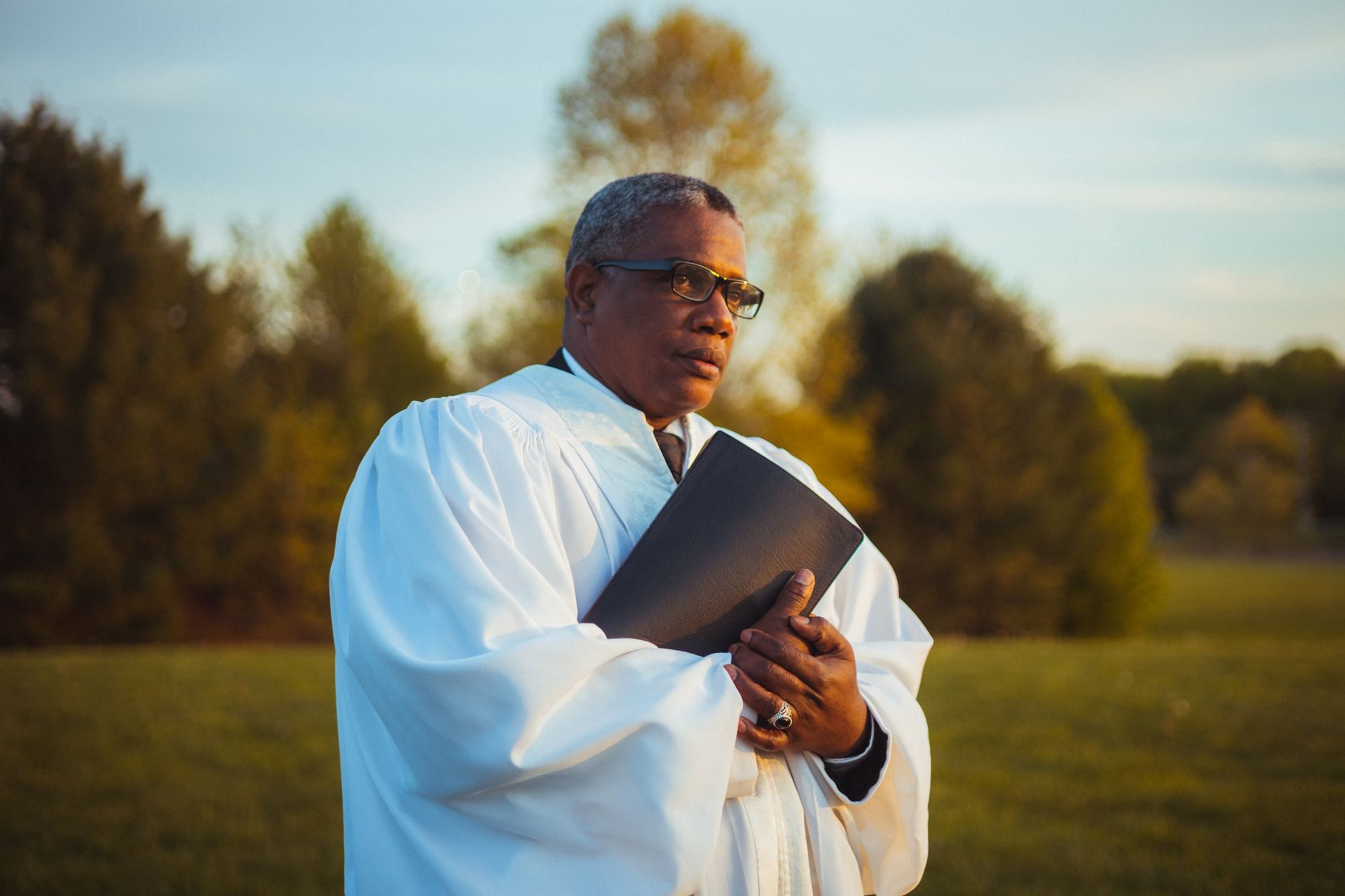
Pastor travel planning often starts with the best intentions and ends up looking suspiciously like a working week — just in a different city. You have earned time away, you have finally cleared the calendar, and somewhere in the excitement of planning you have booked yourself into seven activities across five days because it feels like you need to justify every hour. That instinct to maximize is one of the most common ways ministry leaders come home more tired than they left. If that pattern sounds familiar, this post is worth reading before you book another flight.
In this article
What Slow Travel Actually Means for Ministry Leaders
Slow travel is not lazy travel. It is intentional travel — fewer destinations, longer stays, less commuting between sights, and more room to actually settle into a place. Instead of seeing ten things briefly, you experience two or three things deeply. For most ministry leaders, that shift alone changes everything about whether a trip actually restores them.
The contrast matters. A packed itinerary asks your nervous system to keep processing novelty — new locations, new logistics, new decisions — at the same pace ministry already demands. Slow travel asks it to do the opposite: to stop scanning for what comes next and simply be somewhere. That is where genuine rest begins.

Rest is part of the calling too
A practical guide to planning time away that actually restores you: where to go, what it costs, and how to come back different.
Why Itinerary-Heavy Trips Tend to Fail Pastors
Ministry leaders are high-capacity people who are almost always running at or near their ceiling. The part of you that schedules, manages, and leads does not automatically go offline just because you boarded a plane. An itinerary that demands the same executive function as a ministry week will simply borrow from reserves you were supposed to be refilling.
Research on occupational burnout consistently identifies recovery quality — not just recovery quantity — as the variable that predicts whether rest actually restores. The American Psychological Association’s guidance on work recovery distinguishes between passive recovery, which is simply stopping work, and psychological detachment, which is the mental disengagement that produces genuine restoration. Most rushed vacation itineraries produce the first but not the second.
You do not need more days. You need a different kind of day.
The Biblical Case for Unhurried Rest
The twenty-third Psalm does not say the Lord rushed His servant from one green pasture to the next. "He makes me lie down in green pastures. He leads me beside still waters. He restores my soul." There is a pace embedded in that image — unhurried, sustained, restorative. Restoration happens in the staying, not in the moving.
Jesus understood this about the people He led. In Mark 6:31, after the disciples returned from a demanding season of ministry, His instruction was direct: "Come away by yourselves to a desolate place and rest a while." He did not suggest a quick turnaround. He called them away — to a place apart, for rest that was allowed to be rest. The principle has not changed for the people leading His church today.
What Slow Travel Looks Like in Practice
In practical terms, slow pastor travel planning means a few specific commitments. Base yourself in one location for the majority of the trip rather than moving every day or two. If you are traveling for seven days, staying in one place for five of them and making small day excursions from there is almost always more restorative than five different hotels.
It also means building in unscheduled time — not as filler, but as the actual point. A morning with no agenda. An afternoon to read on a porch or walk without a destination. These are not wasted hours; they are the hours your soul has been waiting for. Margin is not the enemy of a good trip — it is the goal.
Meals matter too. Slow travelers eat where locals eat, linger over food, and let a meal be an experience rather than a refueling stop. That is not indulgence — it is rhythm, and rhythm is what most ministry leaders have gone without for far too long.

Destinations That Reward Slowing Down
Some places are almost designed for slow travel. The destinations that reward you for staying rather than rushing are often the same ones that restore the most. A villa on a quiet coastline. A Caribbean island with a single unhurried rhythm. A northern wilderness where the scenery does the work and you simply show up.
For ministry leaders who have never tried slow travel, an island or coastal destination tends to work best for a first attempt — there is a natural boundary that limits the temptation to keep moving. The Montego Bay region, for example, rewards the traveler who settles in and lets the pace of the island work on them rather than arriving with a list of excursions to check off. The same is true of an Inside Passage itinerary in Alaska, where the geography itself slows you down and the scale of what you are seeing quiets something in most people that needed quieting.
The right destination for slow ministry travel is less about which beach and more about which approach you are willing to commit to once you arrive. Our ministry travel planning hub has more on matching destination type to what you actually need from a trip.
How to Protect Slow Travel from Yourself
This is the part of pastor travel planning nobody talks about — the internal resistance you will meet once you actually arrive somewhere and the calendar is empty. The guilt of sitting still is real for ministry leaders, and it shows up even on vacation. You will feel the pull to check in at the office, to spend the quiet morning answering email, to justify the trip by accomplishing something.
The most effective protection is a pre-trip decision, not an in-the-moment one. Decide before you leave what you will not do. Set the out-of-office reply to something honest — "I am away and genuinely resting until [date]" — and then trust the people you have put in place. Your church’s long-term health depends on you coming home restored, not on you being reachable this Tuesday.
It also helps to travel with someone who will hold you to it. A spouse, a close friend, a fellow ministry leader who has given themselves permission — someone whose presence makes the rest feel legitimate. Rest shared is often rest that actually happens.
Starting Your Pastor Travel Planning Well
If slow travel sounds like what you need, the most important first step is not choosing a destination — it is deciding what you are trying to recover. Are you emotionally depleted? Creatively empty? Physically worn out? The answer shapes whether you need solitude or community, activity or stillness, a familiar place or somewhere genuinely new. Good pastor travel planning starts with an honest diagnosis, not a flight search.
From there, the practical questions — duration, budget, who comes with you, what season works for your ministry calendar — all fall into place more naturally. You can find a broader framework for those questions at the ministry travel planning hub, and if you are not sure where to start, reaching out directly is always a reasonable first move — the about page gives you a sense of how this service was built and who it was built for.
You have poured out long enough to know what running on empty feels like. Slow travel is not an indulgence — it is one of the most honest answers to what you actually need. Give yourself permission to plan it that way.
Ready to start planning? Contact me at Ministry Vacations — travel planning built around the real rhythms and real budgets of ministry life. Every trip also includes the Gratitude Giving Program, so your rest can bless your ministry at no extra cost.