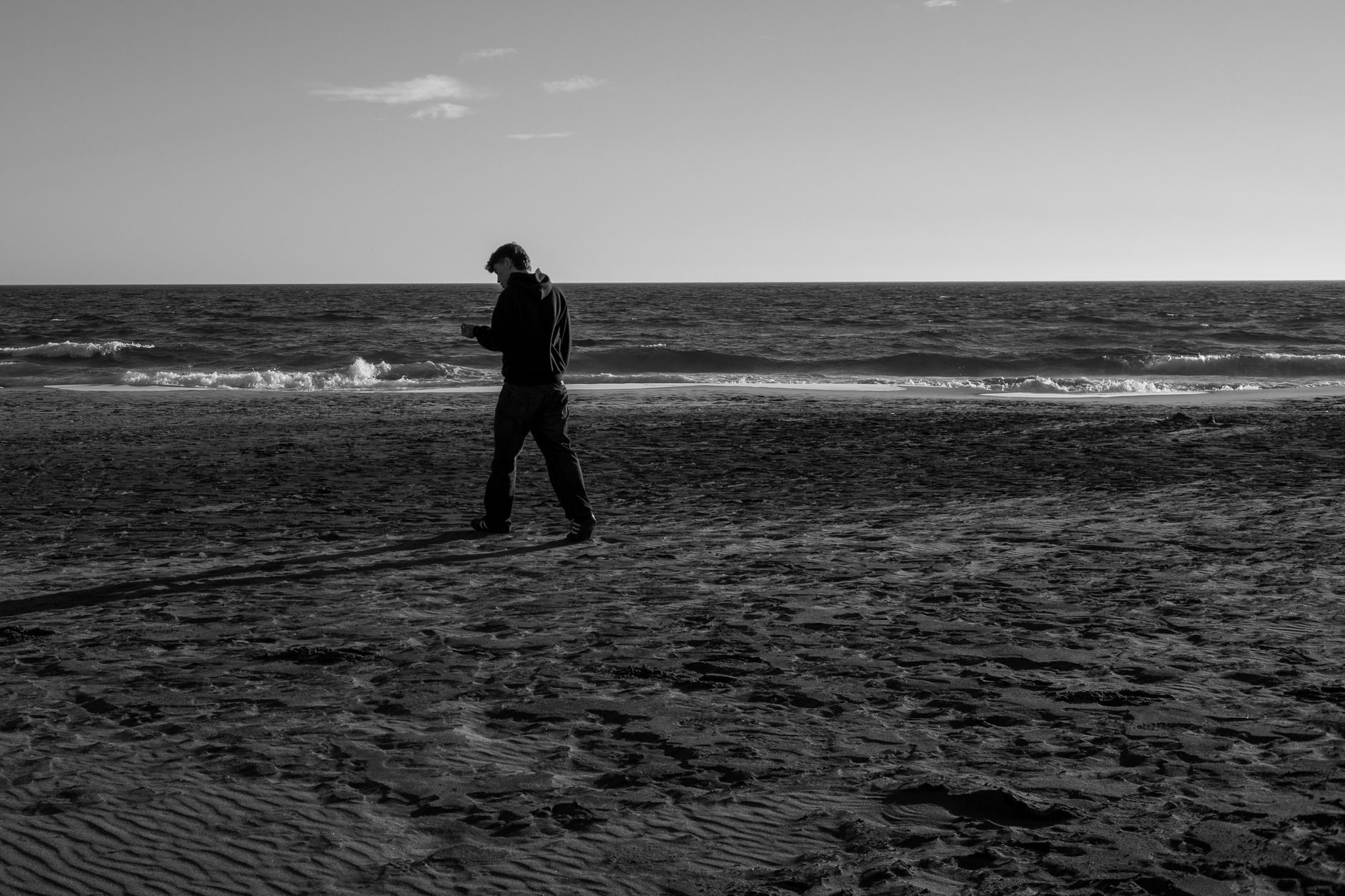
You’ve been thinking about a solo trip for longer than you’d like to admit. Not a group tour, not a family vacation — just you, a bag, and somewhere that isn’t your office or your church or the inbox that fills itself back up before you’ve finished clearing it. Pastor travel planning is hard enough without the added layer of not being sure you’re allowed to go alone. So before anything practical, let’s settle that.
In this article
Why Going Alone Is Its Own Kind of Restoration
Most ministry leaders have spent years being responsible for other people’s experiences. You are the one who checks that everyone is okay, that the dinner is working, that the conversation has somewhere to land. A solo trip removes that layer of responsibility entirely, and for a pastor or ministry leader, that removal is not selfish — it is therapeutic in a way that group travel simply cannot replicate.
You get to eat when you’re hungry. You get to stay at the overlook longer than anyone else would want to. You get to sit with a cup of coffee and a journal and let a thought finish before the next person in the group has a question. Silence and unscheduled time are the two things ministry leaders are most consistently deprived of, and a solo trip is the most direct path to both.

Rest is part of the calling too
A practical guide to planning time away that actually restores you: where to go, what it costs, and how to come back different.
The Permission You’re Looking For
In Mark 6:31, Jesus looks at his disciples — people who had been so busy they hadn’t eaten — and says, "Come away by yourselves to a desolate place and rest a while." The invitation is not to bring everyone along. It is not to find a rest that somehow also serves the crowd. It is a call to withdraw, specifically and deliberately, from the work.
Psalm 23 doesn’t describe the shepherd leading the sheep into still waters. It describes the Lord leading the shepherd there. You are not always the one doing the leading — sometimes you are the one who needs to be led to rest. A solo trip is one of the most honest ways to put yourself in that posture.
I went nearly twenty years without a real sabbatical. I know what that accumulation feels like from the inside. And I know that the hardest part is never the logistics — it’s giving yourself permission before you even open a browser tab. If you’re waiting for someone to tell you it’s okay: it is. It really is.
What Kind of Solo Trip Do You Actually Need?
Before you search a single flight, spend ten minutes with this question honestly. There’s a meaningful difference between a trip that restores you and a trip that just relocates your exhaustion. A driven, over-scheduled itinerary in a beautiful place is still an over-scheduled itinerary.
Ask yourself what’s most depleted. If it’s physical exhaustion, you need stillness — a beach, a quiet mountain cabin, a slow pace with no alarm clock. If it’s emotional and relational depletion from constant people-care, you need solitude and space, ideally somewhere you don’t know anyone and no one knows your role. If it’s spiritual dryness, you might need a place that has something to say to your soul — somewhere with weight and history and quiet, not a resort pool.
These are not mutually exclusive, but knowing what’s most empty helps you choose the right kind of trip instead of just the most appealing brochure.
Choosing a Destination That Matches Your Pace
For physical and emotional rest, a destination with built-in stillness does most of the work for you. That’s why Aruba is a perennial answer for solo ministry travelers — consistent sunshine, calm water, a walkable town, and a pace that slows your nervous system within about forty-eight hours. You can read more about what makes it work at the Aruba destination page.
For something with more texture and a slower cultural pace, the Alaska Inside Passage rewards solo travelers who want to feel small in a good way — surrounded by scale and silence that no amount of ministry busyness can follow you into. Wilderness has a way of restoring perspective that conversations and programs cannot. The Alaska Inside Passage is worth serious consideration if your soul needs open space more than warm sand.
The rule I’d offer is simple: choose somewhere that matches the need, not just the fantasy. A fantasy trip that doesn’t fit what you actually need right now will leave you feeling vaguely cheated when you get home still tired.

The Practical Side of Solo Ministry Travel Planning
Solo travel is often more affordable than ministry leaders assume, because you are not coordinating schedules, not absorbing the cost difference for a larger room category, and not waiting for a group decision. A solo trip can frequently be planned faster and cheaper than any alternative. That matters when your calendar has a narrow window and your budget is real.
A few practical notes worth knowing. The U.S. State Department’s pre-travel checklist is a genuinely useful document — passport validity, travel advisories, entry requirements — and reviewing it before any international trip takes about ten minutes and saves real problems. Solo travelers have a shorter margin for documentation errors, because there’s no travel companion to cover a gap.
Travel insurance matters more on a solo trip than a group trip. If something goes wrong medically or logistically, you are the only one managing it. Build it into your budget from the start. And if you’re working with a travel advisor, make sure they understand ministry budgets and rhythms — not every travel agent does, and the difference in the planning experience is significant. The Ministry Travel Planning hub is a good starting place for understanding how this process works.
Answering the Objections You’ll Hear (and Think)
"What will my church think?" They will think their pastor went on a trip. Most congregations, when they understand what you’ve given over years of ministry, respond with more support than you expect. What depletes a congregation is a leader who never recovers, not a leader who takes a week to refuel.
"It feels indulgent to go alone." Indulgent is spending money on something that has no real return. A rested pastor preaches differently, leads differently, and listens differently — every person in your church benefits from that return, even if they never know what produced it.
"I don’t know how to be alone that long." That discomfort is actually important data. If you can’t sit with yourself for a week without reaching for something to manage, that’s worth knowing — and a solo trip is one of the gentler ways to learn it.
How to Actually Start
Pick a window on your calendar — not the ideal window, the next real window. Even a four-day trip counts. Block it before you plan it, or the planning will never happen. The calendar block is the most important step in all of pastor travel planning because it makes the trip real before the details are settled.
Then decide what you need, choose a destination category that matches, and get help with the logistics. You don’t have to figure out the flights, the room category, the travel protection, and the documentation requirements on your own. That’s what a ministry-focused travel advisor is for. The About page gives you a sense of how this works and who is behind it.
You’ve poured out long enough to have earned this. The most faithful thing you can do right now might be to let yourself be led to still water — alone, unhurried, and finally rested.
Ready to start planning? Contact me at Ministry Vacations — travel planning built around the real rhythms and real budgets of ministry life. Every trip also includes the Gratitude Giving Program, so your rest can bless your ministry at no extra cost.